

On Jan. 29, the Venezuelan government approved a change to the law that opened up the Venezuelan oil industry, allowing foreign oil companies to manage Venezuelan oil fields directly. This decision was made in the midst of further U.S. tariff threats, this time directed at countries that supplied oil to Cuba.
Cuba relies on Venezuela for over one-third of its oil. In an executive order, Trump has stated that the policies of Cuba’s government “constitute an unusual and extraordinary threat” to U.S. national security, later saying that “I don’t think Cuba will be able to survive.” This comes 64 years into the United Nations-condemned U.S. trade embargo of Cuba.
The Trump Administration, particularly Secretary of State Marco Rubio, has repeatedly stated interest in regime change in Cuba, with Rubio stating, “It requires regime change for us to lift the embargo.” Rubio had also spoken to Mexican president Claudia Sheinbaum, telling her to stop providing oil to Cuba.
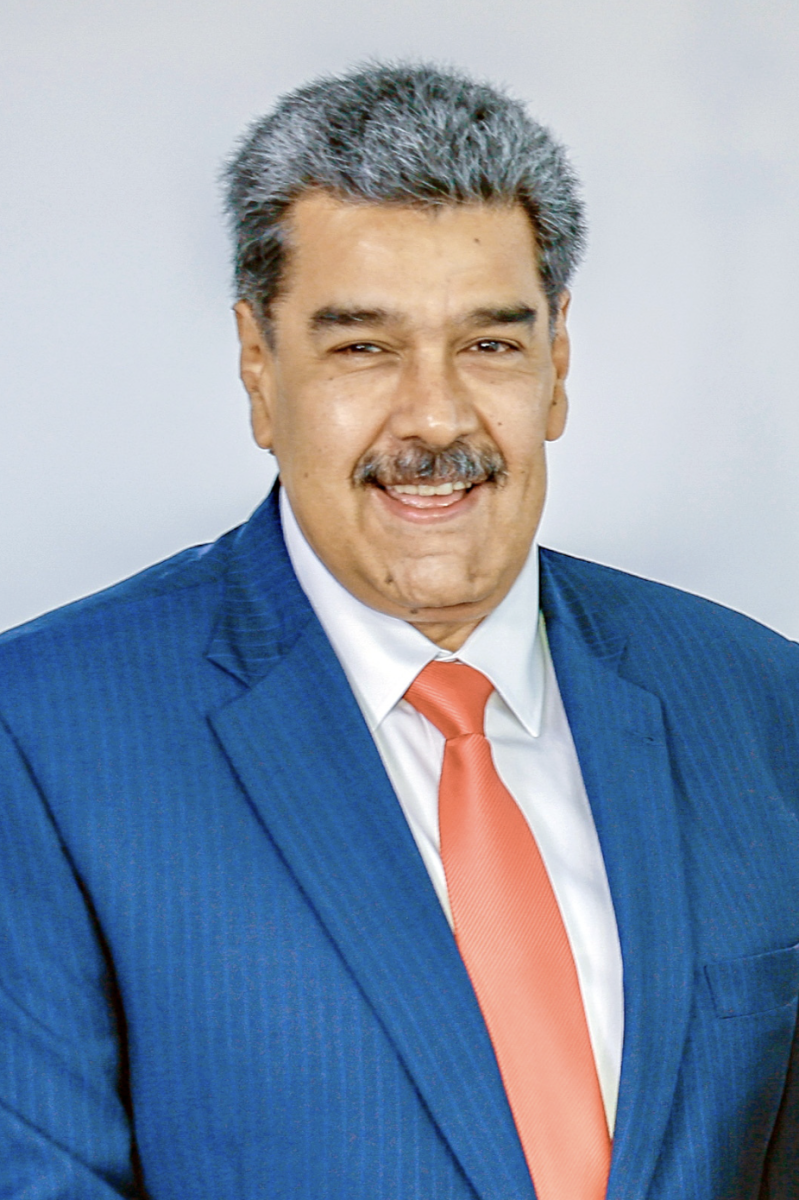
On Jan. 3, the United States Armed Forces struck military and civilian infrastructure across Venezuela, before raiding Venezuelan President Nicolas Maduro’s compound, capturing him, and transporting him to the U.S. for trial.
The strikes were done without informing Congress beforehand, which is required under the War Powers Resolution of 1973.
Maduro is accused on counts of narcoterrorism, conspiracy to import cocaine, possession of machine guns and destructive devices, and conspiracy to possess machine guns and destructive devices. Maduro pleaded not guilty to all charges in his first court appearance.
Meridian students had nuanced opinions on the decision to strike Venezuela and capture Maduro.
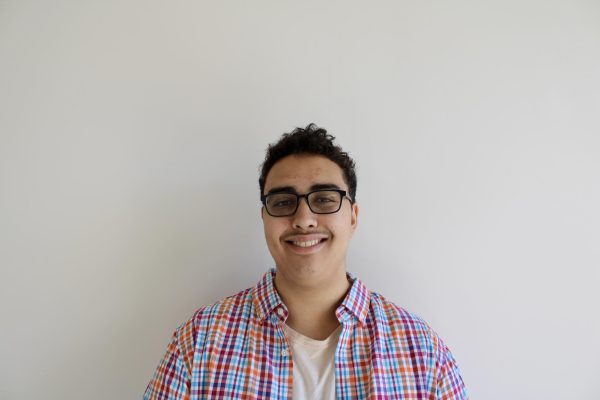
“I think that President Trump’s abduction of President Maduro was done outside his constitutional rights, and he should have at least asked Congress before he went into Venezuela,” junior Sagar Nangia said. “I think that it can make [Venezuelan students at Meridian] a little more frightened of their situation in our country.”
U.S. President Donald Trump has stated that the United States would “run” Venezuela until a “safe, proper and judicious transition” could be made.
Although no overt action has been taken to exert control over the country, Trump has stated that Venezuelan Vice President Delcy Rodríguez, who has taken power in Maduro’s absence, has agreed to cooperate with Washington. In a press conference, he stated, “We’ve spoken to her numerous times, and she understands.”
Trump was initially reticent regarding the inclusion of the Venezuelan opposition leader, Maria Corina Machado, in his plans for the future governance of Venezuela. However, as of Jan. 20, his position shifted. This comes five days after she gifted him her Nobel Peace Prize on Jan. 15.
The Venezuelan oil reserves have been a major part of U.S. messaging regarding the strikes, with U.S. Vice President J.D. Vance stating, “We control the energy resources, and we tell the regime, you’re allowed to sell the oil so long as you serve America’s national interest; you’re not allowed to sell it if you can’t serve America’s national interest.”
“It would probably hurt [the Venezuelan economy] because then the resources are going to go somewhere else other than the Venezuelan people,” said senior William Anderson. “I think it could go either way depending on how power is transferred to [Rodríguez]… I feel like it would be more likely to get better because it’s probably hard to get worse than Maduro. My gut is that it’s probably technically legal, but it’s not a great precedent to set.”