

On Apr. 20, 2023, Virginia schools adopted the 2023 History and Social Studies standards of learning which replaced the previous 2015 social studies standards.
This newer standard of learning has been implemented throughout the Virginia school system, but recently there has been debate over potential revisions and additions to this curriculum.
One example of discussed changes impacting Virginia social studies standards is the newly introduced House Bill 614 which is being discussed in Richmond, and it could impact the content of social science and history classrooms across Virginia and at Meridian.
This bill would change learning standards by requiring public schools to include material about historically marginalized groups such as racial and ethnic minorities as well as members of the LGBTQ community.
There is a new IB (International Baccalaureate) Diploma Programme history course that will be launched in February of 2026 for use in the following school year.
According to the IB website, the updated history course will introduce four new concepts: cause and consequence, continuity and change, perspectives and significance; all concepts that will be woven throughout the curriculum.
The new curriculum will also introduce new global themes, paired case studies and regional in-depth topics. The external assessment, the main assessment given in the IB world history class, will retain many of the regulations it previously had, except it will be designed to encourage more authentic responses, and students will have more time to complete their assessments.
Teachers explained how this significant change in curriculum would affect the course material.
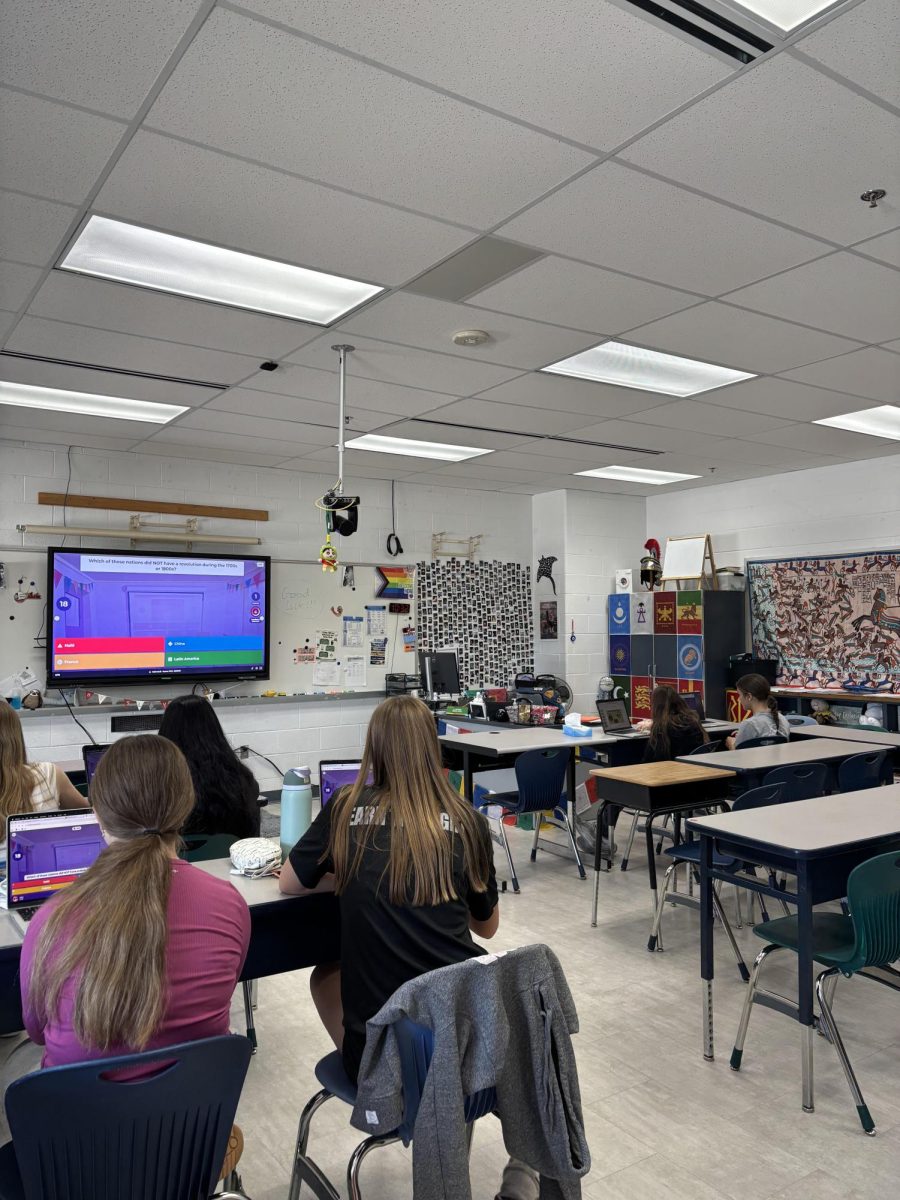
Middle school World History 1 teacher Kieran Shakeshaft shared, “For the middle school, we were focused on identifying the differences, looking for what was added and what was reduced…for example, some standards on Medieval Europe were reduced while China and Japan were significantly expanded.”
While some lessons are being shifted around, the curriculum change will primarily be focused on expanding and reducing the focus of certain topics rather than getting rid of or introducing completely new ones.
“The most significant change in these new standards was more content on Asia and Africa. Both of these are topics that I am glad they have added more of a focus on, as it makes the World History curriculum slightly less Eurocentric,” Shakeshaft explained.
Despite being labeled as a change in how history curriculum will be taught, the new social studies standards have not yet presented any major changes.
High school teacher and chairman of Individuals and Society Eric Duchaj described, “The IB Approaches to Teaching show us that we should be teaching through inquiry and conceptual understandings, and the changes to the standards don’t really impact us much. It may shift a focus here or there, but we are aiming for a deeper conceptual understanding, so the standards are essentially a baseline.”
Because of these minor changes, most teachers agree that the new shift in curriculum will not have any significant impacts in the classroom.
According to World History & Geography II teacher Mr. Peet, “We adopted new textbooks, but the shift doesn’t reflect anything brand new from VDOE (Virginia Department of Education). We moved to LAVC (Locally Awarded Verified Credit) essays in lieu of the SOL test, but beyond that there is nothing too major.”
The new change in social studies curriculum has encouraged minor shifts of focus in the history curriculum, but has not introduced any major changes affecting students. Although minor changes now could lead to further development of the curriculum in future years, these specific changes will likely lead to a small lasting impact.